Get Wood Ramp Installation
Local contractors can install wood ramps to improve accessibility for wheelchairs, mobility aids, or moving heavy items across steps and uneven surfaces.
Wood ramp installation is a practical solution for improving accessibility and safety around residential and commercial properties. Whether for a new construction project, an existing structure, or to accommodate mobility needs, property owners often explore these services to enhance ease of movement and comply with accessibility standards. By considering local contractors experienced in ramp installation, property owners can find tailored options that suit their specific site requirements and aesthetic preferences. Continuing to explore available services can help in making informed decisions about the most suitable solutions for your property.
Evaluating different local service providers ensures that property owners can compare the range of options available for wood ramp installation. Many local contractors offer a variety of design choices and construction techniques to meet diverse needs. Gathering information about these options allows property owners to plan effectively and select the best approach for their property’s accessibility and safety goals. Keep reading to discover how connecting with qualified local service providers can support your project planning and implementation.
- Residential properties - homeowners may need wood ramp installation to improve accessibility for family members or visitors.
- Commercial buildings - businesses might require ramps to comply with accessibility standards and accommodate customers or employees.
- Public spaces - community parks or outdoor venues often need ramps to ensure accessibility for all visitors.
- Healthcare facilities - clinics or hospitals may seek ramps to facilitate patient mobility and meet accessibility requirements.
- Rental properties - landlords may look for ramp installations to accommodate tenants with mobility challenges.
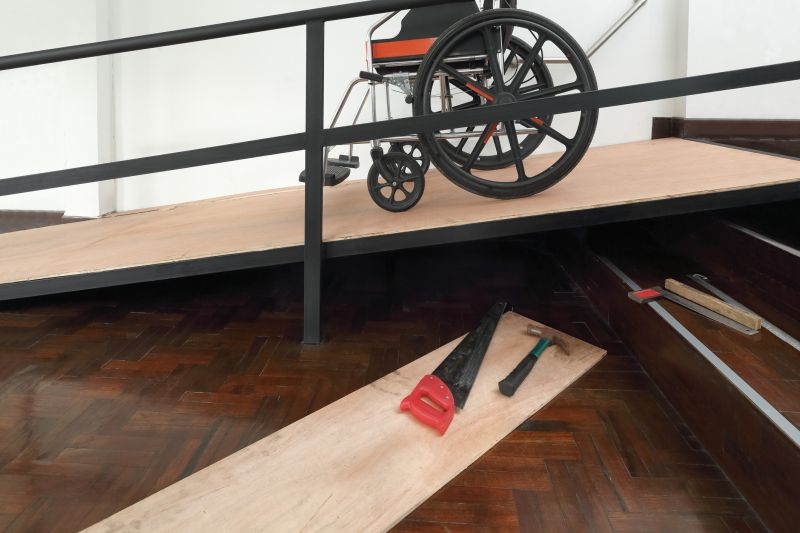
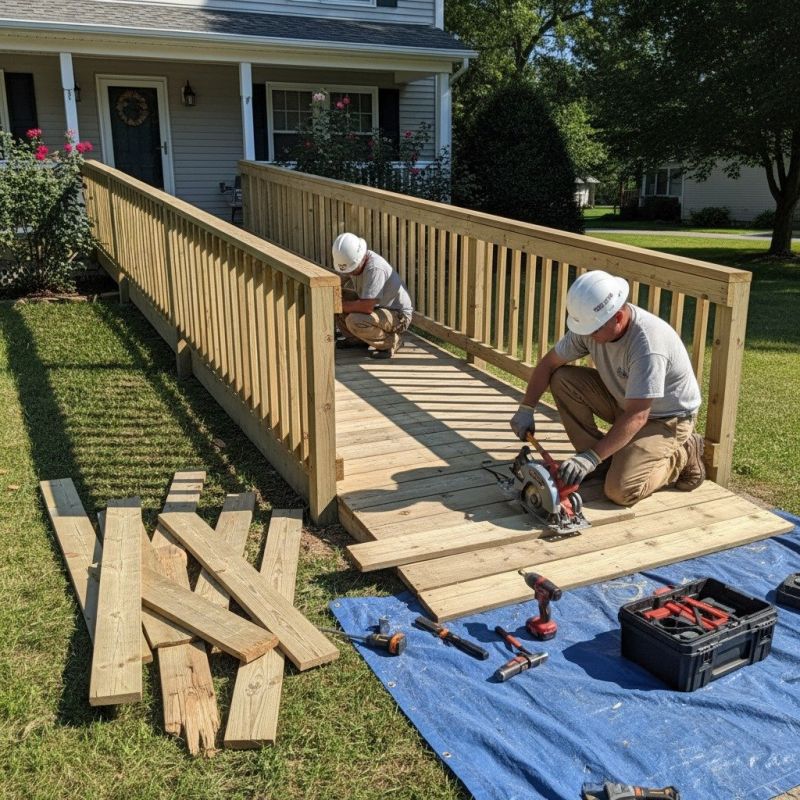
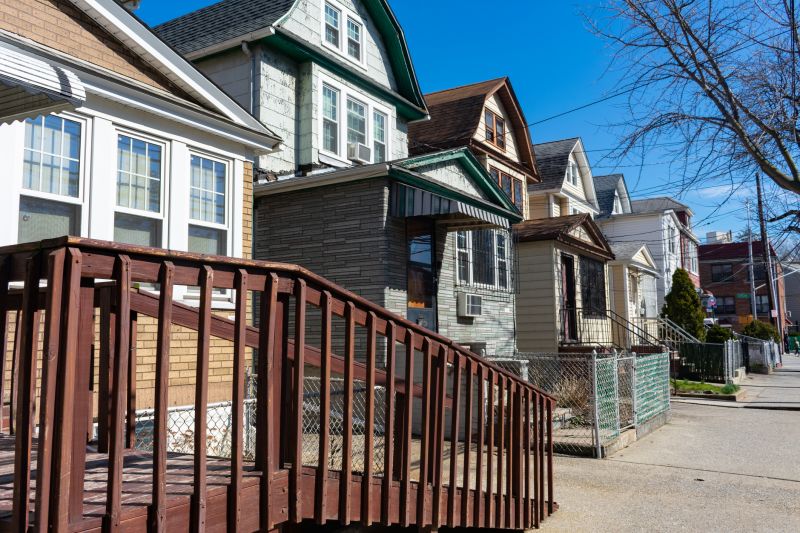
Wood ramp installation services involve constructing custom ramps that provide safe and accessible entry points to homes and buildings. These ramps are typically built from durable wood materials designed to withstand outdoor conditions while offering a smooth and stable surface. Skilled contractors measure the space, assess the property’s layout, and design a ramp that fits the specific needs of the property. The process includes framing, decking, and securing the ramp to ensure it is sturdy and safe for everyday use. This service is ideal for creating accessible entrances for individuals with mobility challenges or for making it easier to move heavy items in and out of the property.
Installing a wood ramp helps address common accessibility problems faced by homeowners and visitors. It provides a safe alternative to stairs for those using wheelchairs, walkers, or other mobility aids, reducing the risk of falls and injuries. Additionally, ramps can facilitate easier movement for people pushing strollers, carrying heavy loads, or managing carts and equipment. For properties with uneven terrain, steps, or high thresholds, a well-constructed ramp offers a practical solution that improves safety and convenience. This service is especially valuable for homes that want to accommodate guests or family members with mobility needs.
Properties that typically utilize wood ramp installation services include single-family residences, multi-unit apartment buildings, and commercial properties. Homes with elderly residents or individuals recovering from injury often benefit from a custom-built ramp to enhance accessibility. Commercial spaces, such as storefronts or offices, may also require ramps to comply with accessibility standards and ensure all visitors can enter easily. Additionally, properties situated on uneven ground or with steps at the entrance are common candidates for ramp installation. Local contractors can tailor each project to match the specific requirements of the property, ensuring a seamless and functional addition to the existing structure.
Choosing to work with local service providers ensures that the ramp installation is handled efficiently and with attention to the property's unique features. These contractors understand local building codes, weather considerations, and property layouts, allowing them to deliver a practical and durable solution. Whether for a residential home, apartment complex, or commercial property, professional wood ramp installation can significantly improve accessibility and safety. Contacting experienced local contractors is a practical step for homeowners and property managers seeking reliable, customized solutions for their accessibility needs.
The overview below groups typical Wood Ramp Installation projects into broad ranges so you can see how smaller, mid-sized, and larger jobs often compare in your area.
In many markets, a large share of routine jobs stays in the lower and middle ranges, while only a smaller percentage of projects moves into the highest bands when the work is more complex or site conditions are harder than average.
Smaller Repairs - Minor wood ramp repairs or modifications typically cost between $250 and $600. Many routine jobs fall within this range, covering tasks like replacing sections or fixing minor damage.
Standard Installations - Installing a new wood ramp for a standard-sized project usually ranges from $1,000 to $3,000. Most projects in this category are straightforward and fall within this middle band.
Full Replacement - Replacing an existing ramp with a new one can cost between $3,500 and $6,000, depending on size and complexity. Larger or more customized projects tend to reach the higher end of this range.
Complex or Custom Projects - Highly customized or complex wood ramp installations can exceed $6,000, with some larger projects reaching $10,000 or more. These are less common but represent the upper tier of typical costs.
Actual totals will depend on details like access to the work area, the scope of the project, and the materials selected, so use these as general starting points rather than exact figures.
Deck Building - constructing outdoor decks involves similar carpentry skills, planning, and use of wood materials as wood ramp installation projects.
Porch Construction - building porches requires precise framing and woodwork, aligning closely with the techniques used in ramp installation.
Staircase Installation - installing stairs demands careful planning and carpentry expertise, paralleling the skills needed for building accessible ramps.
Handrail and Guardrail Fitting - attaching handrails and guardrails involves detailed carpentry work that complements ramp installation tasks.
Wood Flooring Installation - laying wooden floors shares foundational skills in measuring, cutting, and fitting wood components with ramp construction.
Accessibility Ramp Repair - repairing or modifying existing ramps requires similar assessment and carpentry techniques used in new ramp installations.
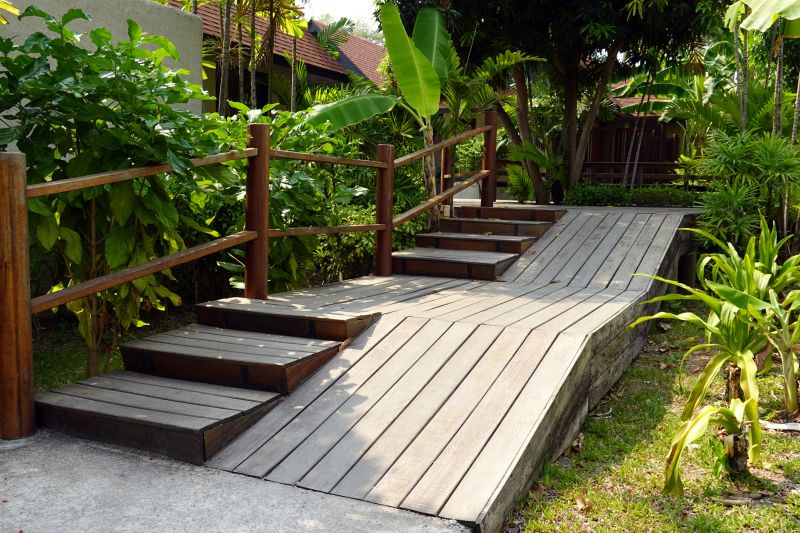
When evaluating contractors for wood ramp installation, it’s important to consider their experience with similar projects. Homeowners should look for service providers who have a proven track record of successfully completing wood ramp installations in settings comparable to their own. This experience can indicate familiarity with the specific challenges and best practices associated with ramp construction, helping ensure the project is handled efficiently and effectively.
Clear, written expectations are essential when comparing local contractors. Homeowners should seek detailed proposals or estimates that outline the scope of work, materials to be used, and the steps involved in the installation process. Having this information in writing helps prevent misunderstandings and provides a solid basis for comparing different service providers’ approaches and professionalism.
Reputable references and strong communication are key indicators of a reliable contractor. Homeowners are encouraged to ask for references from previous clients who had similar work done, and to follow up with those references to gauge satisfaction and quality. Additionally, service providers who communicate clearly and promptly demonstrate professionalism and a commitment to customer service, making the process smoother and more transparent. It’s important to remember that this site introduces homeowners to local options, not that it performs the work itself.
Property owners use Wood Ramp Installation services for practical projects around their homes and businesses. This guide focuses on everyday jobs and straightforward project options.
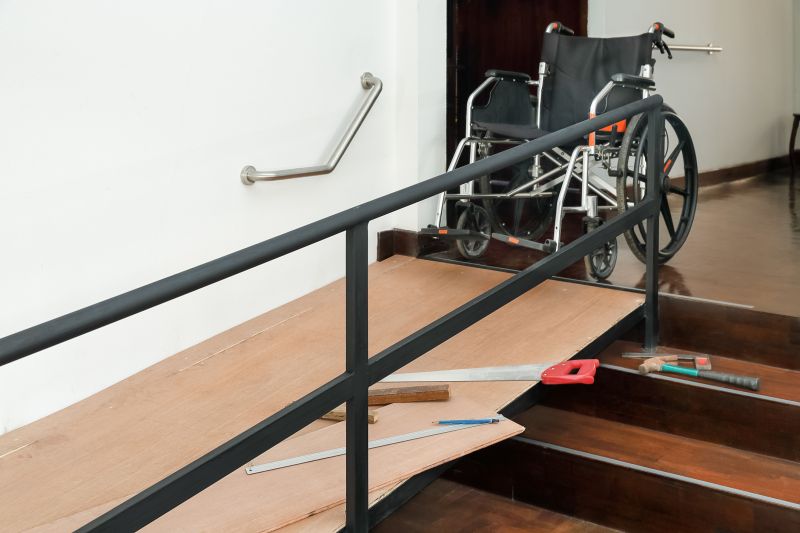
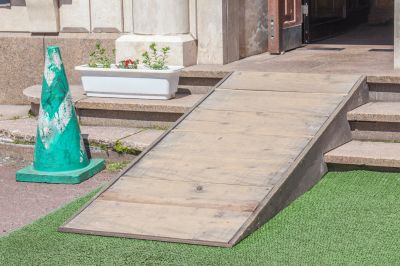
Wood ramp installation is a common project for property owners looking to improve accessibility around their homes or businesses. Whether installing a new ramp for a wheelchair user, replacing an aging or damaged structure, or adding a ramp to make entryways more convenient, local contractors can handle these everyday needs efficiently. Many property owners seek professional services to ensure the ramp is safe, durable, and properly integrated with existing steps or pathways.
In addition to accessibility upgrades, property owners might look for wood ramp installation when preparing for upcoming renovations or accommodating visitors with mobility challenges. Local service providers can assist with custom designs that fit specific property layouts and aesthetic preferences. Connecting with experienced contractors helps ensure that the project meets safety standards and enhances the overall functionality of the property.
What types of wood are suitable for ramp installation? Local contractors typically work with a variety of woods such as pressure-treated lumber, cedar, and composite materials, depending on the project's needs and environmental conditions.
How do I prepare my property for wood ramp installation? Service providers may recommend clearing the area, ensuring a level foundation, and removing any obstructions to facilitate proper installation.
Are there design options available for custom wood ramps? Yes, many local contractors offer custom design options to accommodate specific accessibility requirements and aesthetic preferences.
What maintenance is required for a wood ramp after installation? Maintenance usually involves regular cleaning, sealing or staining to protect against weathering, and inspecting for any structural issues.
Can existing structures be incorporated into a new wood ramp design? In many cases, local service providers can integrate new ramps with existing decks, porches, or steps to create a seamless transition.
Wheelchair Ramp Installation - Property owners can improve accessibility for family members or visitors who use wheelchairs or mobility devices by installing a sturdy, safe ramp.
Front Porch Ramps - Installing a ramp at the entrance of a home can make it easier for people with limited mobility to enter and exit comfortably.
Garage Ramp Solutions - A garage ramp can provide a smooth transition for vehicles or mobility aids, enhancing convenience and safety.
Step-to-Ramp Conversion - Converting existing steps into a ramp can create a more accessible pathway for everyday activities around the property.
If you are thinking about Wood Ramp Installation for a property, this guide is meant to help you understand the work, the typical project types, and how different options might fit your plans.
When you are ready, you can use the quote form on this page to share a few details about your project. From there, local pros can review the basics and respond with options that match what you have in mind.