Common Safety Issues Found in Aging Decks, Porches, and Ramps
Local contractors can help address common safety issues found in aging decks, porches, and ramps to ensure they are secure and safe for everyday use.
Aging decks, porches, and ramps can develop a variety of safety issues that may go unnoticed until they become serious hazards. Property owners in the area often find it helpful to understand common problems such as rotting wood, loose or unstable railings, and uneven surfaces that can increase the risk of falls or injuries. Recognizing these issues early can prevent accidents and help maintain the safety and functionality of outdoor spaces. Local contractors experienced in repairing aging outdoor structures can assess these concerns and recommend practical solutions to keep decks, porches, and ramps safe for everyone.
Exploring common safety issues found in aging decks, porches, and ramps is an important step for property owners looking to preserve the safety of their homes. Over time, exposure to the elements and regular use can cause structural components to weaken or deteriorate. Whether it’s cracked boards, corroded fasteners, or compromised support beams, addressing these problems promptly can extend the life of outdoor structures and reduce potential hazards. Service providers in the area offer the expertise needed to evaluate these issues and perform repairs that help ensure outdoor spaces remain secure and reliable for years to come.
- Aging decks - local contractors can repair loose or rotting boards that pose tripping hazards.
- Porches - service providers address deteriorated railings and unstable flooring to prevent accidents.
- Ramps - local pros fix cracks or unstable surfaces that could lead to falls or injuries.
- Decks, porches, and ramps - repair services focus on replacing weak support structures to enhance safety.
- Common safety issues found in aging decks, porches, and ramps - local contractors can evaluate and resolve structural problems that compromise stability.
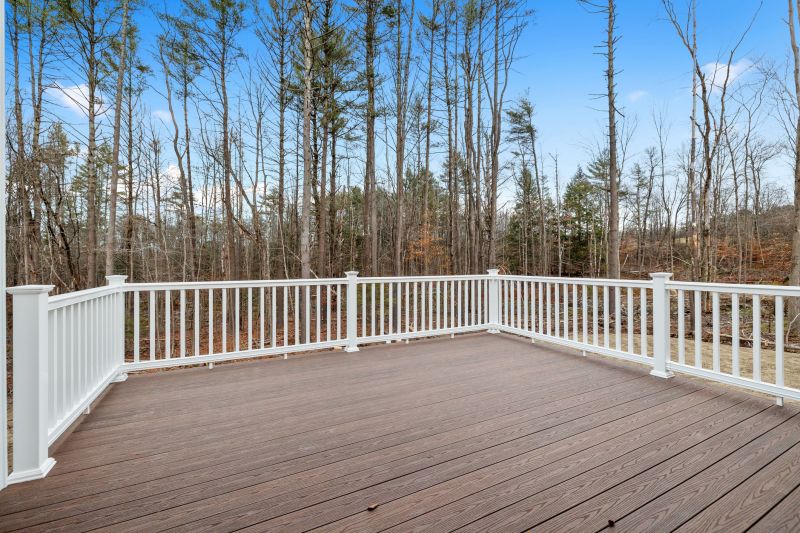
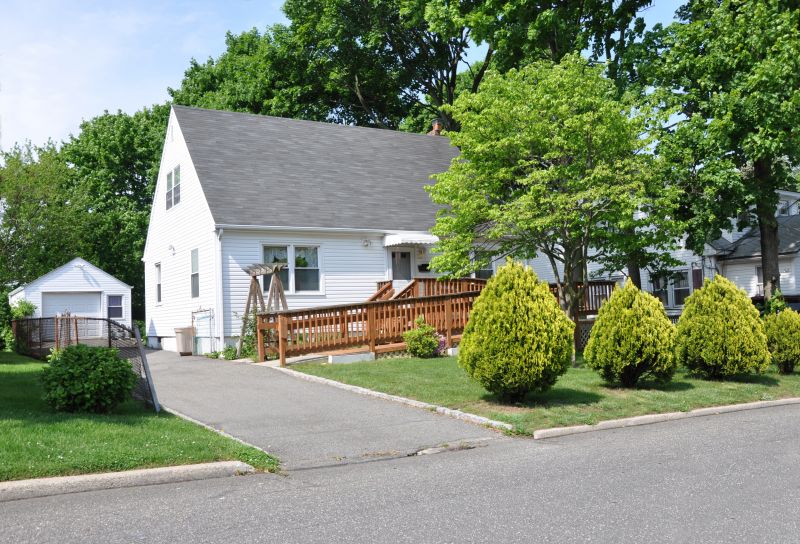
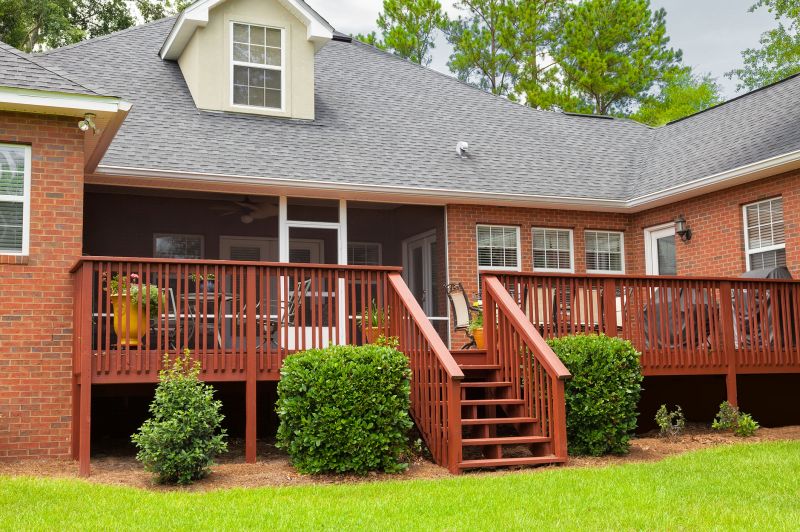
Understanding the common safety issues found in aging decks, porches, and ramps is essential for homeowners who want to maintain a safe outdoor living space. When searching for this topic, many people are concerned about structural problems that could pose hazards, such as loose or rotting boards, unstable railings, or deteriorated supports. These issues often develop gradually over time due to exposure to weather, regular use, or lack of maintenance, making routine inspections a key part of safety. Recognizing these problems early can prevent accidents and costly repairs, which is why many homeowners seek guidance on what signs to look for and how to address them effectively.
The problems associated with aging decks, porches, and ramps typically relate to their structural integrity and safety features. Common safety issues include wood decay caused by moisture infiltration, rusted or broken hardware, and sagging or unstable surfaces. Railings that are loose or missing can lead to falls, especially for seniors or individuals with mobility challenges. Cracks or shifting foundations may indicate deeper stability concerns. These issues often connect to plans involving repair or replacement projects, where local contractors can assess the extent of damage and recommend appropriate fixes. Addressing these safety concerns is crucial for ensuring that outdoor structures remain secure and functional for everyday use.
Properties that frequently encounter these safety issues tend to be older homes or buildings that have not undergone recent updates. Residential properties with decks, porches, and ramps built several decades ago are more likely to experience wear and tear. Commercial or multi-family buildings with outdoor access areas may also face similar challenges, especially if they serve elderly residents or visitors. In many cases, property owners are motivated to find local service providers who specialize in aging outdoor structures. These professionals can evaluate the condition of decks, porches, and ramps, identify safety hazards, and provide the necessary repairs or reinforcement to restore safety and compliance.
For homeowners considering repairs or upgrades, understanding how local pros fit into the process is important. These service providers can perform thorough inspections to pinpoint common safety issues found in aging outdoor structures, such as wood rot, loose railings, or uneven surfaces. They can also recommend suitable repair strategies, whether that involves replacing damaged materials, reinforcing support beams, or installing new safety features. Connecting with experienced local contractors ensures that projects are handled efficiently and safely, giving property owners peace of mind that their outdoor spaces are secure for family, friends, and visitors.
Wood Repair and Restoration - professionals skilled in fixing rotting, splintered, or damaged wood surfaces common in aging decks, porches, and ramps to improve safety and stability.
Structural Reinforcement Projects - local contractors who can strengthen weak or compromised framing and support structures to prevent collapses and accidents.
Handrail and Railing Installation - service providers experienced in installing or repairing handrails and guardrails to meet safety standards and prevent falls.
Surface Repair and Replacement - experts who handle replacing loose or deteriorated decking boards, stairs, and ramp surfaces to reduce tripping hazards.
Foundation and Support Pier Work - local pros capable of addressing sinking or unstable support posts that can compromise the safety of decks, porches, and ramps.
Weatherproofing and Sealing Services - specialists who apply protective coatings to prevent further deterioration and maintain structural integrity of aging outdoor structures.
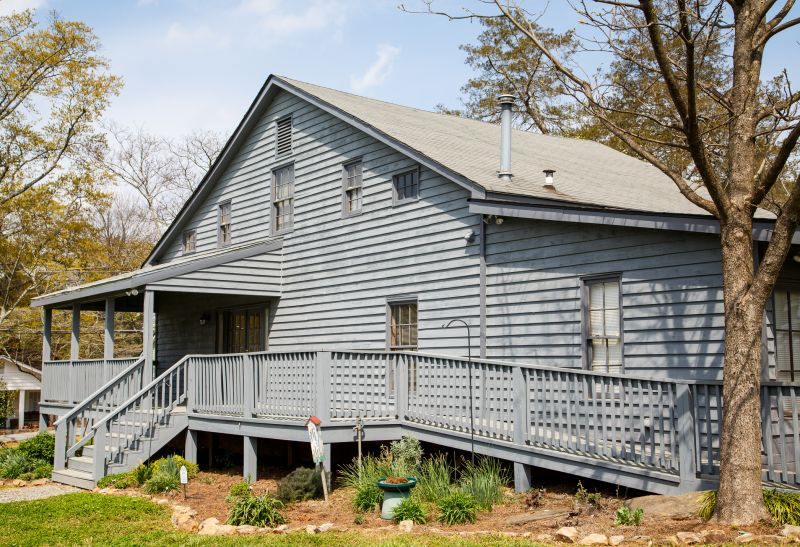
When evaluating service providers for aging deck, porch, and ramp repairs, it is important to consider their experience with similar projects. Contractors who have handled repairs related to common safety issues found in aging structures are more likely to understand the specific challenges involved. This familiarity can help ensure that the repairs address potential hazards effectively and meet safety standards. Homeowners should inquire about the types of projects a contractor has completed in the past and seek details that demonstrate their ability to manage the unique aspects of aging decks, porches, and ramps.
Clear and detailed written expectations are essential when comparing local contractors. A reputable service provider will be able to provide a comprehensive scope of work that outlines what repairs will be performed, the materials to be used, and the anticipated outcomes. This transparency helps prevent misunderstandings and ensures that both parties are aligned on the project’s goals, especially when addressing common safety issues such as loose boards, unstable railings, or rotting wood. Homeowners should review these written expectations carefully and ask questions to clarify any uncertainties before proceeding.
Good communication and reputable references are key indicators of a trustworthy contractor. Service providers who communicate openly and promptly can better address concerns and adapt to specific needs during the repair process. Additionally, references from previous clients who have had similar projects completed can offer valuable insights into the contractor’s reliability, quality of work, and ability to handle safety-related repairs. Gathering feedback from past customers can help homeowners make informed decisions and select a local pro who is capable of effectively addressing the safety issues found in aging decks, porches, and ramps.
Property owners often search for common safety issues found in aging decks, porches, and ramps when they are planning practical projects around their homes and businesses. Local pros provide Aging Decks, Porches, and Ramps Repair services for everyday jobs and straightforward project options.
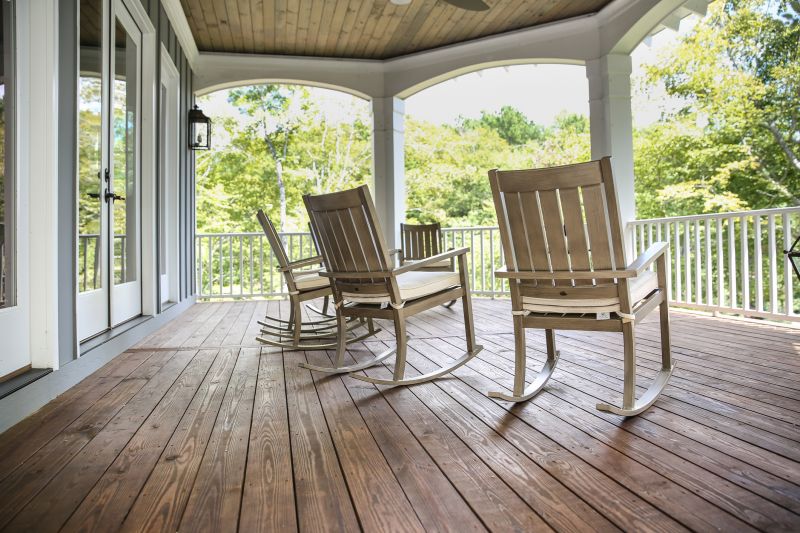
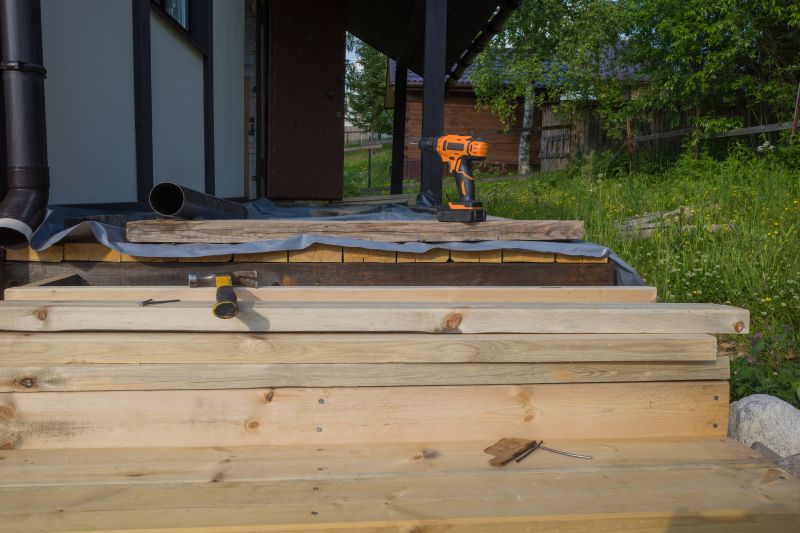
Many property owners in the area are discovering that aging decks, porches, and ramps can develop a variety of safety issues over time. Common concerns include rotting wood, loose or unstable boards, and deteriorating railings that no longer provide proper support. These issues often become more noticeable with regular use, especially in outdoor spaces exposed to weather conditions. Homeowners might notice squeaky or wobbly surfaces, which can pose tripping hazards or even lead to structural failure if not addressed promptly. Local contractors specializing in aging deck, porch, and ramp repairs can evaluate these problems and recommend effective solutions to restore safety and stability.
In addition to wood decay and loose components, other common safety issues include rusted or corroded fasteners, which can weaken the entire structure, and uneven surfaces caused by shifting or sinking supports. These problems can develop gradually but may significantly increase the risk of falls or injuries if left untreated. Property owners often seek out local service providers who can perform inspections and repairs to ensure their outdoor spaces remain safe for family, friends, and visitors. Connecting with experienced contractors can help address these common safety issues found in aging decks, porches, and ramps before they lead to more serious problems.
What are common structural issues in aging decks, porches, and ramps? Common safety issues include rotting wood, loose or unstable support beams, and deteriorated joists that can compromise stability and safety. Local contractors can assess and repair these problems to ensure the structure is secure.
How can surface damage affect safety on aging decks and ramps? Surface damage such as cracked, splintered, or uneven decking and ramp surfaces can create tripping hazards. Service providers can replace or repair damaged boards to improve safety and prevent falls.
What role does railing stability play in safety concerns? Worn or loose railings can fail to provide proper support, increasing the risk of falls. Local contractors can reinforce or replace railings to meet safety standards and provide secure handholds.
Are there specific issues with wood rot and pest damage in aging structures? Yes, wood rot and pest infestations weaken the integrity of decks, porches, and ramps, making them unsafe to use. Professionals can identify affected areas and perform necessary repairs or replacements.
How do improper flashing or drainage contribute to safety risks? Poor flashing or drainage can lead to water accumulation and wood decay, increasing slip hazards and structural failure. Service providers can correct these issues to prevent further damage and ensure safety.
Structural integrity assessments - Local contractors can evaluate aging decks, porches, and ramps to identify weakened framing or supports that may pose safety risks.
Surface and railing repairs - Repairing or replacing loose or damaged railings and unstable surfaces helps prevent falls and ensures stability for everyday use.
Rot and pest damage inspections - Professionals can detect areas affected by rot or pests that compromise wood strength, allowing for targeted repairs.
Non-slip surface upgrades - Adding non-slip coatings or mats can improve traction on aging surfaces, reducing the risk of slips and falls during regular use.
If you are thinking about common safety issues found in aging decks, porches, and ramps for a property, this guide is meant to help you understand this topic, the typical project types, and how different options might fit your plans.
When you are ready, you can use the quote form on this page to share a few details about your project. From there, local pros can review the basics and follow up with options that match what you have in mind.